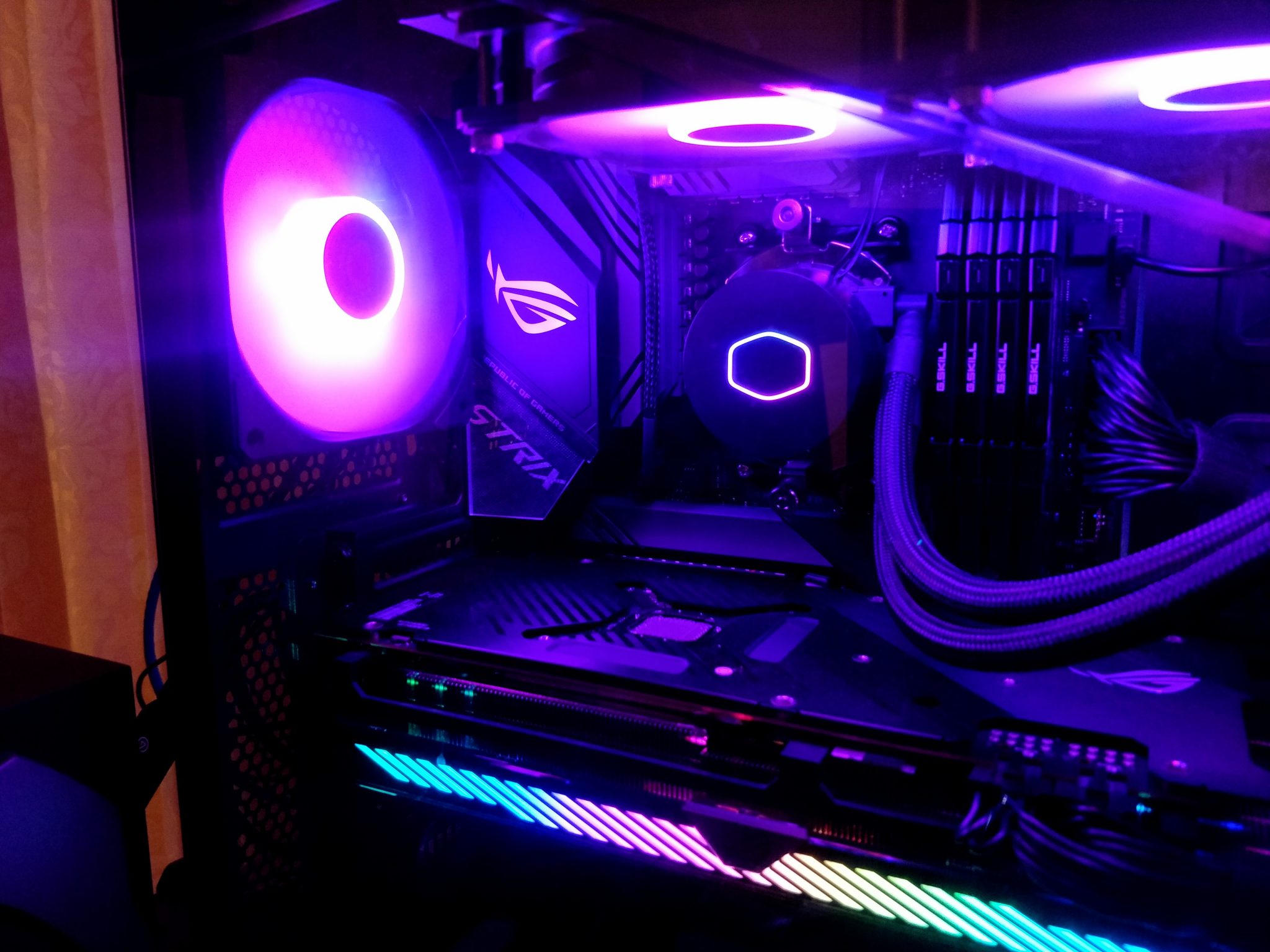
GIGABYTE P67A-UD4
Motherboard page
GIGABYTE P67A-UD4
The P67A-UD4 is aimed at readers who want the classic ATX Intel build story: more room for cooling, more storage flexibility, and a platform that feels easier to tune deliberately.
ATX boards like this benefit from spacious cases and deliberate cooling paths.
Why this coverage still matters
This board remains useful as a reference for a more comfortable enthusiast layout. It shows how ATX spacing, power delivery, and BIOS controls can make the whole system easier to work with.
What stands out
- More breathing room for coolers and expansion cards
- Stronger fit for hands-on tuning
- Well-suited to full rebuild projects
What to watch
- A good PSU and case still decide the final experience
- Board age means inspection is non-negotiable
- The platform should be evaluated as a whole, not as an isolated board
Why board layout matters here
The P67A-UD4 story is largely about usable space. Better slot spacing, more comfortable connectors, and stronger cooler compatibility can make an older enthusiast build feel dramatically easier to live with.
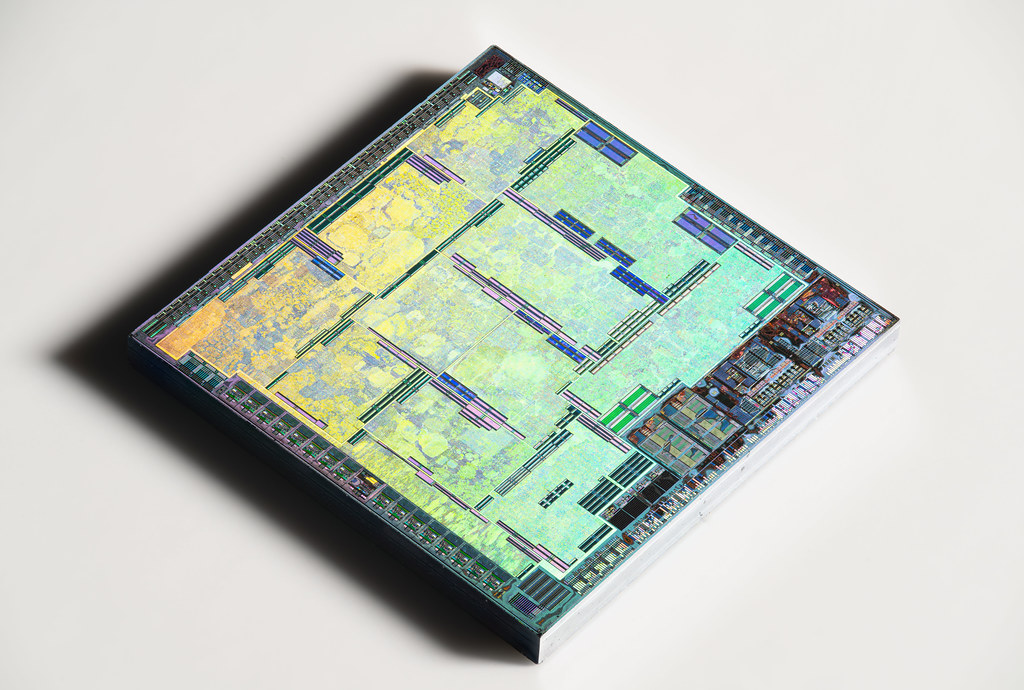
Space, trace layout, and cooler clearance are core parts of the board’s appeal.
Who gets the most from it
Builders restoring an ATX Intel tower or comparing older enthusiast platforms for a secondary workstation or lab machine.
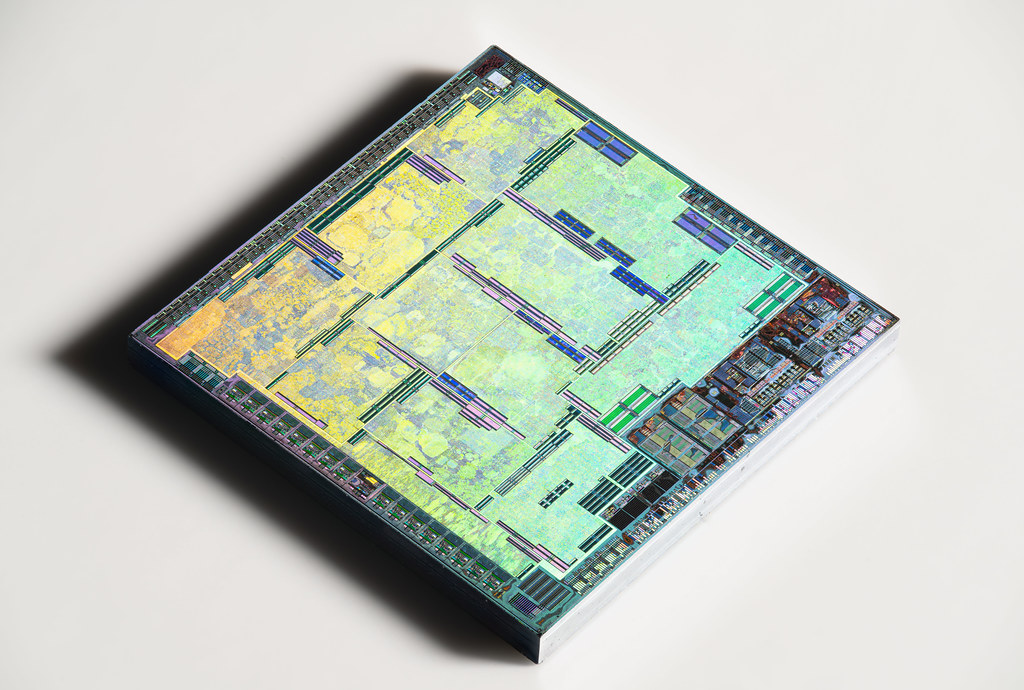
Circuit detail underscores the page focus on board design rather than hype.
FAQ
Is this board more useful than a compact alternative?
If you care about cooling room, slot access, and tuning comfort, yes. If size is the top priority, a smaller board may still win.
What should you check first?
Socket condition, BIOS behavior, RAM compatibility, and the physical state of the board around power delivery areas.
Keep the research moving
If your interest is low-power or compact instead, the GA-E350N-USB3 page offers the opposite design philosophy.