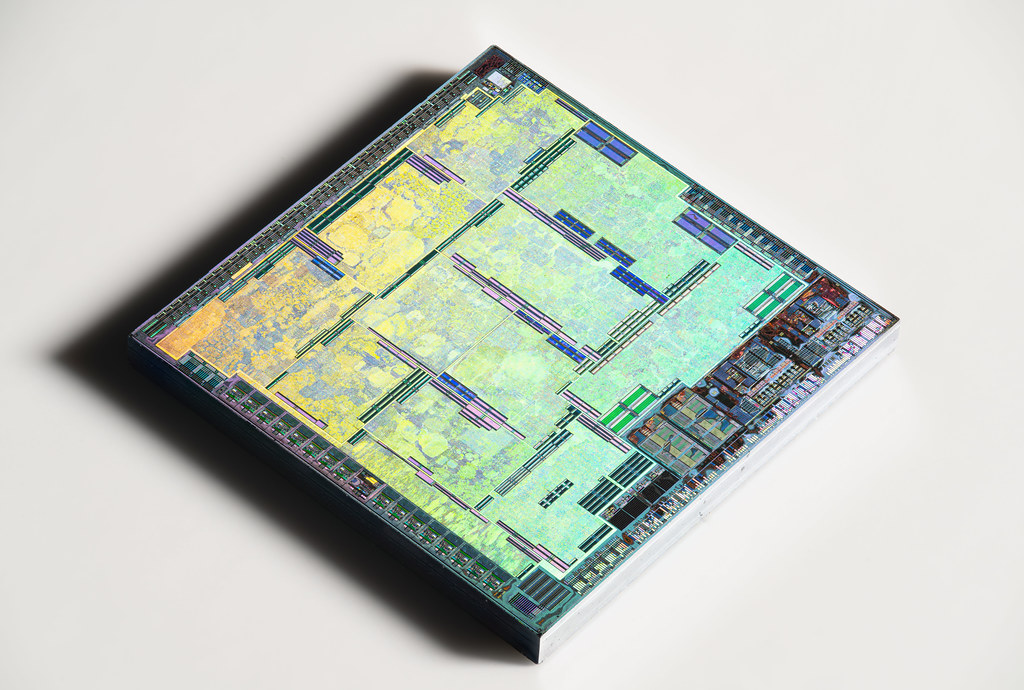
GIGABYTE GA-E350N-USB3
Low-power board page
GIGABYTE GA-E350N-USB3
The GA-E350N-USB3 is a useful reminder that not every good build is about peak speed. Some projects succeed because the board is quiet, compact, and efficient enough to disappear into daily use.
Small low-power boards make every port, slot, and airflow decision count.
Why this coverage still matters
It matters to readers building quiet desktops, simple streaming boxes, or secondary systems where low heat and small footprint matter more than upgrade ambition.
What stands out
- Low-power orientation
- Compact and approachable layout
- Strong fit for modest home-use scenarios
What to watch
- Performance headroom is intentionally limited
- Storage and memory choices still affect feel
- Case ventilation is easier to ignore than it should be
The right expectation for the platform
Treat it as a calm, efficient desktop foundation. The board is at its best when expectations are simple: stable playback, light everyday tasks, and a system that stays quiet and easy to place.
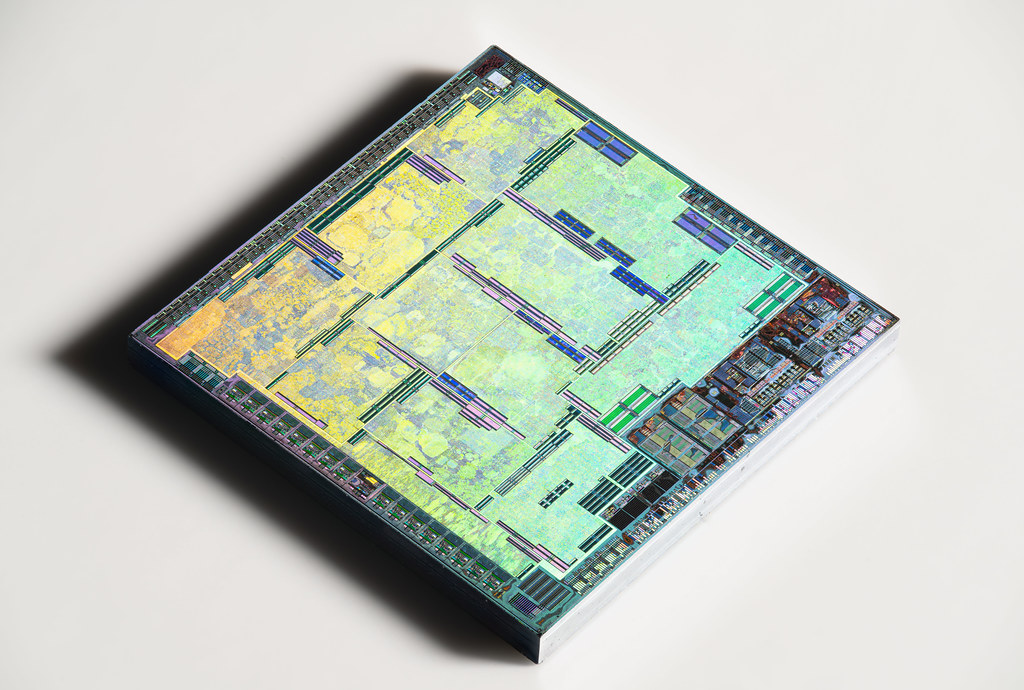
Even low-power boards deserve close attention to layout and component condition.
Where it fits best now
A quiet home office, a media corner, or a secondary desktop where low energy use matters more than ambitious expansion.
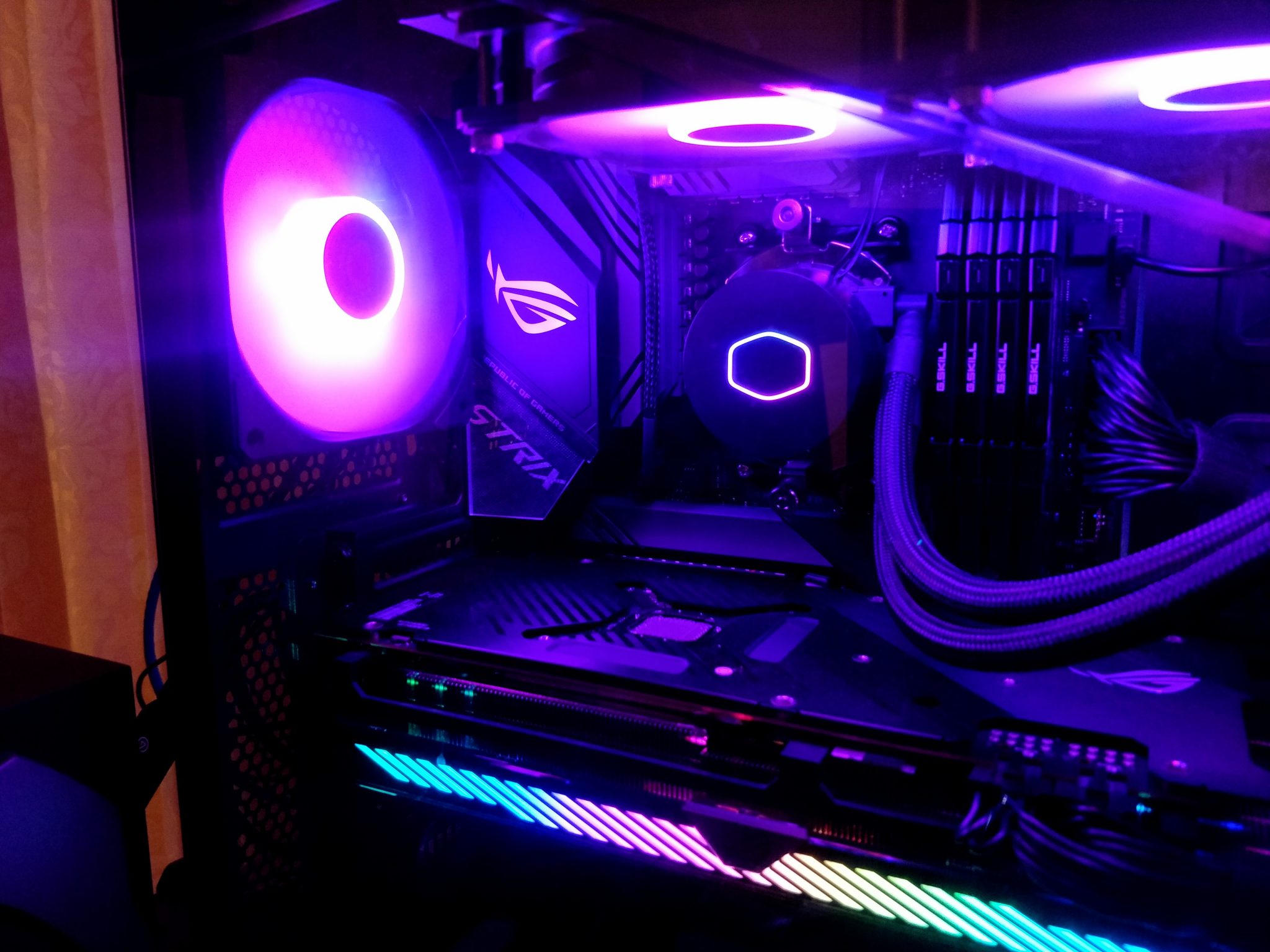
Small PCs still benefit from thoughtful airflow and sensible cable routing.
FAQ
Should you expect workstation performance?
No. The appeal is efficiency, not scale.
What should you check on a used board?
Storage ports, display output needs, RAM support, and the health of the cooling path inside the case.
Keep the research moving
If you are comparing the low-power route with a fuller ATX build, the P67A-UD4 page is a useful contrast.