The Benefits of Streaming Your Gameplay
Want to turn your gameplay into something more than a solo session? Live streaming changes the game-here’s how and why.
When people search for streaming gameplay, they usually ask:
- What is game streaming, and what counts as “live”?
- Why do streamers bother-what do viewers and players actually gain?
- Which platforms are best, and what do I need to start without wasting weeks?
According to research on online participation and communities, people tend to stick with platforms when they help them connect, learn, and feel part of a shared culture. For gaming, streaming is one of the most obvious “community loops” available today (see OECD on participation in the digital economy). Meanwhile, platform guidance around streaming tools and live video production emphasizes that consistent audio/video quality and clear channel setup directly affect viewer retention (see Twitch Help: Starting Stream).
By the end of this article, you’ll understand what game streaming is, the real benefits for gamers, the most popular platforms, and a practical checklist you can use to start streaming successfully-without turning it into a second job.
What is Game Streaming?
Game streaming is the act of broadcasting gameplay in real time (or near-real time) to an audience via a live video platform. Instead of recording a video later, streaming involves continuous interaction: you play, talk (optionally), and respond to what viewers do or ask.
Under the hood, successful streams usually combine four things:
- Capture (game footage via PC/GPU capture or console streaming features)
- Encoding (compressing video/audio into a stream-compatible format)
- Broadcast (sending that stream to a platform)
- Channel experience (audio clarity, overlays, stream title/category, and schedule consistency)
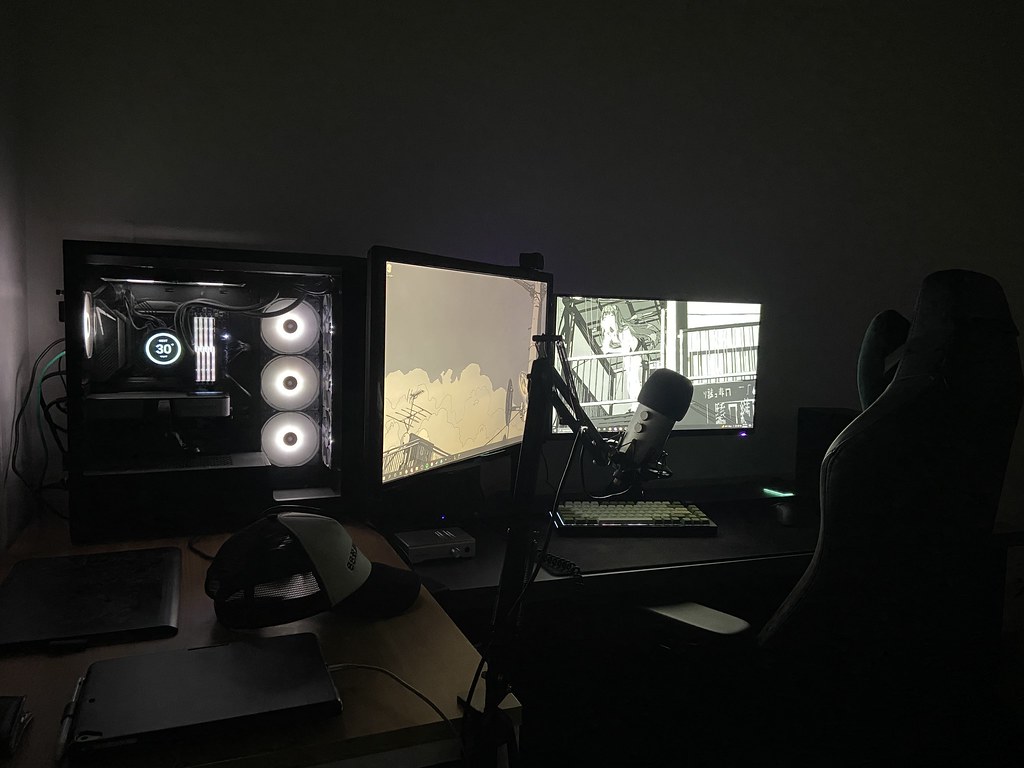
Advantages for Gamers
Streaming isn’t only about “getting famous.” For most gamers, the benefits are practical: it improves how you play, how you communicate, and how you find people who actually want to watch (and maybe help you).
1) Faster improvement through feedback loops
When you stream, your gameplay becomes a shared artifact. Viewers can point out missed mechanics, suggest loadouts, or explain what they noticed-especially in strategy or skill-based games. Even when chat is quiet, reviewing your stream VODs often helps you catch patterns you’d normally ignore during a normal match.
2) Stronger motivation (and a healthier kind of practice)
Games can be solitary grind. Streaming turns practice into a “show with a goal,” which makes sessions more engaging. That doesn’t mean every stream must be entertaining-sometimes it’s enough to be consistent and focused so people know what to expect.
3) Community building that goes beyond random lobbies
Competitive and co-op communities are easier to sustain when people gather in one place. Streaming provides a stable home base where you can find regular viewers, collaborate with other creators, and build relationships with players who share your interests.
4) Creative outlet and storytelling (even without fancy edits)
Not every gamer wants to edit highlight reels. Streaming lets you tell your story in the moment: what you’re trying to learn, why a strategy works, and what you’d do differently next time. Over time, that becomes your “personal style,” which is usually more valuable than raw production polish.
5) Optional monetization, but with a clearer path
Many streamers eventually explore sponsorships, subscriptions, or donations. The important part: streaming builds the asset first (audience + content library), and monetization becomes a secondary layer rather than a replacement for fundamentals like audio clarity and schedule.
Popular Streaming Platforms
Different platforms emphasize different strengths: discoverability, community size, and streaming tool support. Here are three common options:
Twitch
Twitch is widely used for live gaming, with mature discovery features, chat culture, and extensive streaming guidance. If you’re new, start by reading platform setup advice and stream best practices (see Twitch Help on starting).
YouTube Live
YouTube Live often pairs streaming with long-term content discovery (streams can become videos after the fact). That’s helpful if you want content to keep generating views beyond the live window.
Facebook Gaming
Facebook Gaming can be a good choice if your audience already spends time there. The main practical advantage is leveraging existing social connections-especially for community-driven channels.
Tips for Successful Streaming
Most streaming “problems” are really setup problems. Fix the boring stuff first, then iterate.
Start with audio quality, not resolution
Viewers forgive lower graphics. They rarely forgive unclear voice. If you use a mic, test it before going live and monitor levels so your voice isn’t clipped or buried.
Use a simple streaming workflow
One clean workflow beats five half-finished experiments. A workable beginner pattern:
- Pick one category and title that match your session
- Set a stable schedule (even 2-3 days per week)
- Stream short sessions at first (45-90 minutes)
- Afterward, review chat + VOD to find one improvement
Plan your stream like a mini session
Instead of “just playing,” give viewers a reason to show up. Examples:
- “Rank climb with one goal: improve aim accuracy.”
- “Learning a new character/build-help me test it.”
- “Co-op night: bring a friend and we’ll rotate roles.”
Respect your time (streaming is not an obligation)
Consistency matters, but burnout kills channels. Treat streaming as a system you tune: if a format stops working, change the format-don’t just power through.
Conclusion
Streaming gameplay gives you a stronger feedback loop, motivation, community, and a real creative channel-while keeping monetization optional. If you want the simplest starting point, focus on three things: good audio, a repeatable workflow, and a clear stream purpose.
If you’re setting up your first stream, consider making a tiny prototype this week: one test session, one checklist, and one improvement for your next broadcast.
Quick recap: Game streaming turns gameplay into an interactive community loop, helps you improve faster, and is easier to sustain when your channel experience stays consistent.