ASUS HD 7870 DirectCU II TOP Edition
Graphics card review
ASUS HD 7870 DirectCU II TOP Edition
This page focuses on what made ASUS’s factory-tuned HD 7870 interesting: a cooler that aimed for lower noise, a faster-than-reference profile, and enough headroom to matter for 1080p play in systems that could feed it.
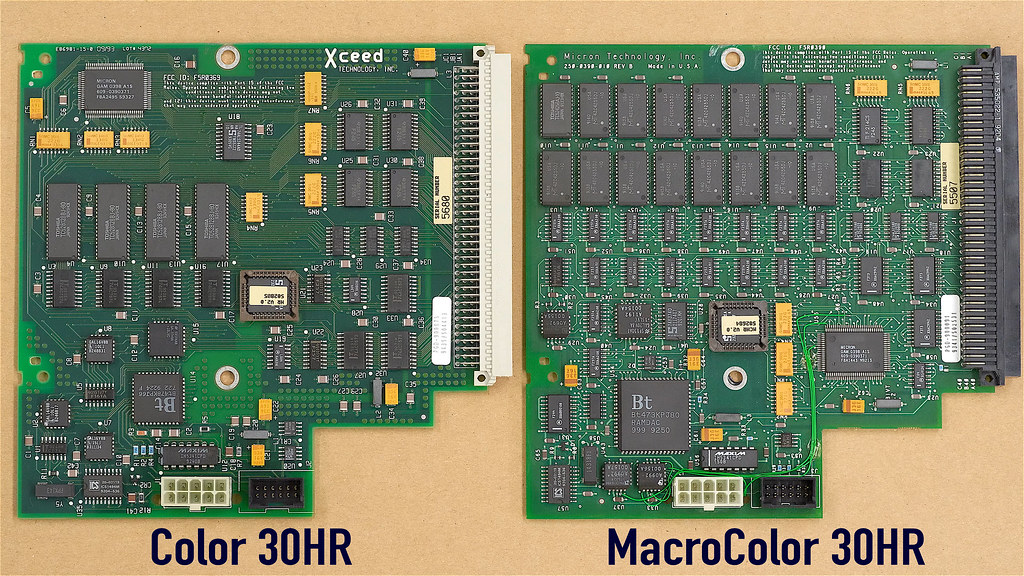
A close hardware view supports the page focus on cooler design and board layout.
Why this coverage still matters
The HD 7870 class landed in a useful middle ground: fast enough to feel modern in its day, but still sensitive to airflow, power delivery, and case acoustics. That makes it a good case study for anyone evaluating a used card or understanding how factory-tuned boards differ from reference designs.
What stands out
- Cooler layout built around quieter sustained loads
- Enough output flexibility for dual-monitor desktop use
- More attractive when paired with a competent 80 Plus power supply
What to watch
- Used cards should be checked for fan wear and thermal paste condition
- Case airflow matters more than marketing clock numbers
- Modern codec, driver, and game expectations are not the same as when the card launched
What to inspect before buying or reinstalling one
Look for a clean cooler assembly, intact power connectors, and no signs of VRAM overheating. Check whether the shroud and heatpipes were maintained well, and compare the card’s expected draw against the rest of the system. A quick refresher on Radeon positioning from the Radeon HD 7000 series overview helps frame where this class sat in the product stack.
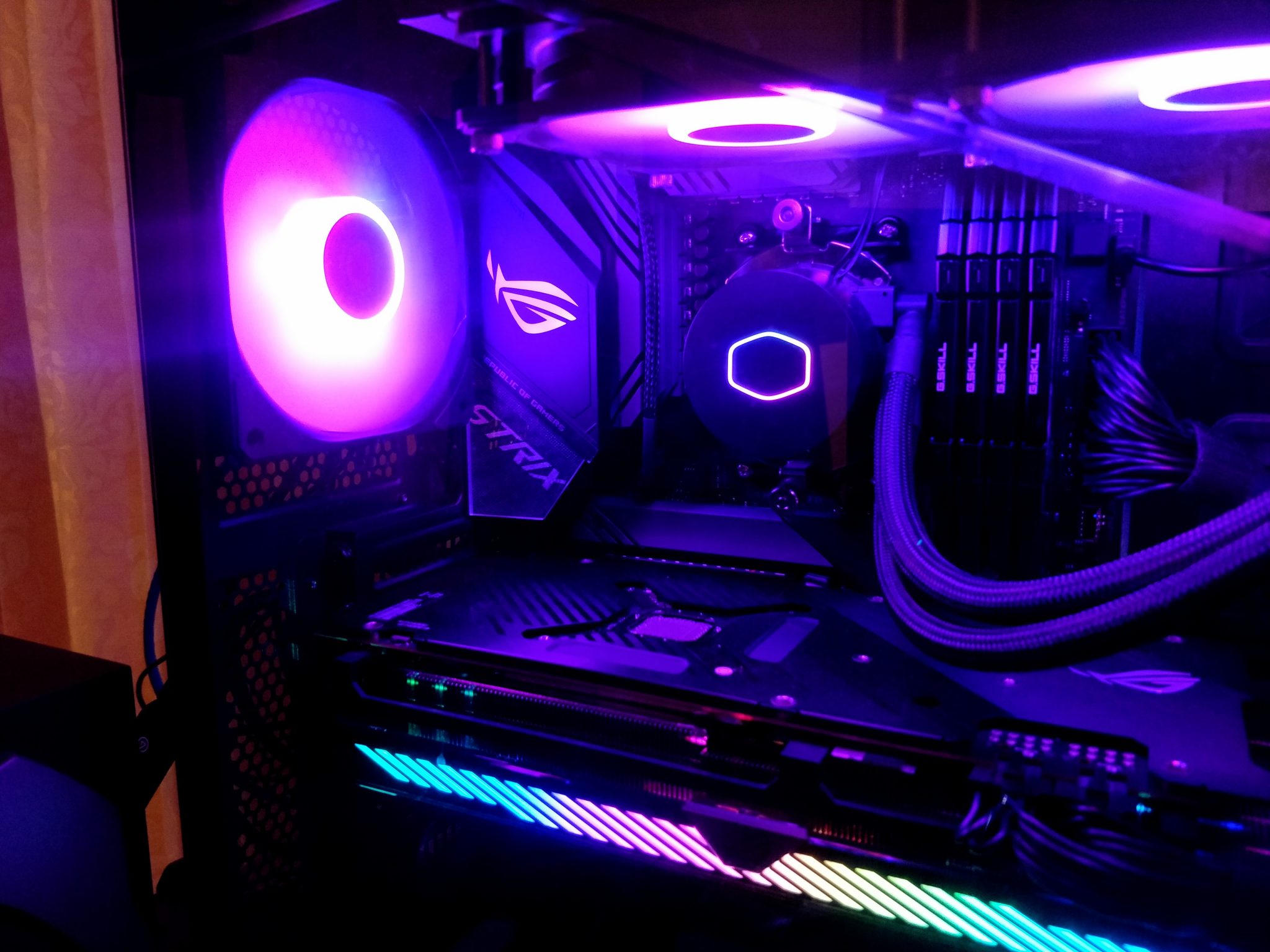
Airflow, cable routing, and PSU quality matter as much as the card itself in a balanced gaming tower.
Where the card fits best
The strongest fit is a clean 1080p build with a sensible CPU pairing, moderate airflow, and no expectation that the card will behave like a current midrange option. It remains more interesting as a well-built older card than as a bargain miracle.
Platform balance matters when a graphics card is only one part of the overall experience.
FAQ
Is the cooler the main reason to choose this version?
Usually yes. The appeal is less about raw frequency and more about noise, thermal behavior, and the way ASUS packaged the board for long sessions.
Is it still useful for modern builds?
As a primary gaming card, only in selective low-cost scenarios. As a reference point for cooler design and used-part evaluation, it is still useful.
Keep the research moving
Compare this Radeon page with the broader AMD coverage, or use the search page if you are looking for a specific board or generation.