ECS GTS 450 Black Series
Graphics card review
ECS GTS 450 Black Series
The ECS GTS 450 Black Series matters as a look at how board partners tried to make Nvidia’s midrange Fermi parts quieter, cooler, and a little more distinctive than the baseline specification suggested.
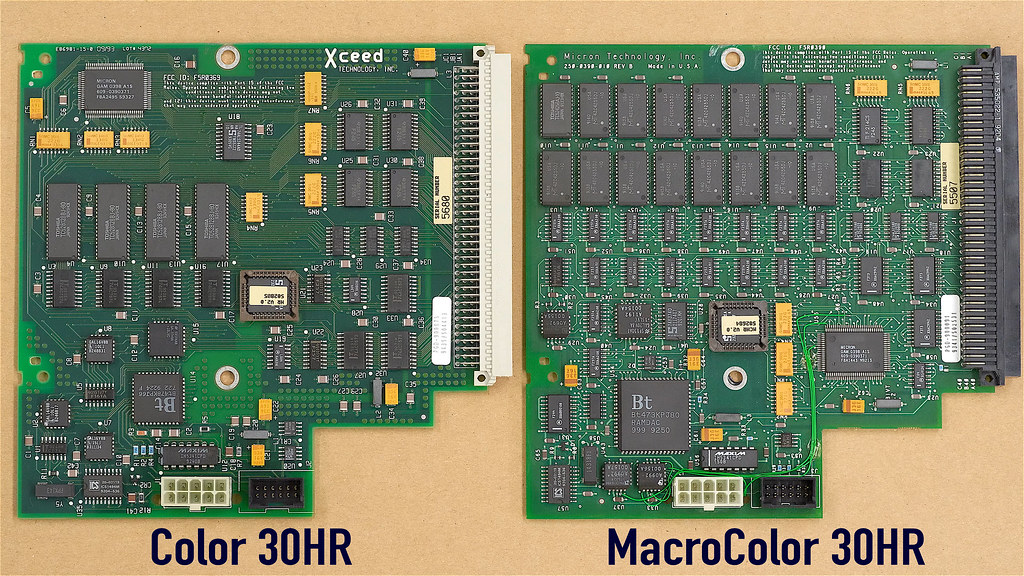
Board-level detail helps highlight why partner execution mattered on midrange Fermi cards.
Why this coverage still matters
The GTS 450 class is useful because it shows how much the final product depended on PCB choices, cooling execution, and case airflow. For readers comparing older Nvidia options or troubleshooting a budget legacy system, that is more helpful than a raw spec sheet.
What stands out
- Custom cooler and board tuning made a real difference
- Compact enough for smaller legacy towers
- Better context for older DirectX 11-era builds
What to watch
- Fermi cards can run warmer than newcomers expect
- Power draw and fan condition need a closer look
- Used-market value depends heavily on overall system balance
How to judge a surviving sample
Check the cooler mounting pressure, inspect for dust-packed fins, and verify the outputs you need before installing the card. If the system also uses older storage and lower-efficiency power supplies, the card can expose weak links quickly.
Legacy performance questions often become whole-system questions once airflow and PSU quality enter the picture.
Best use cases now
The best role for a GTS 450 today is a low-cost repair build, a retro gaming tower, or a comparison point when you want to understand how much partner design mattered in this generation.
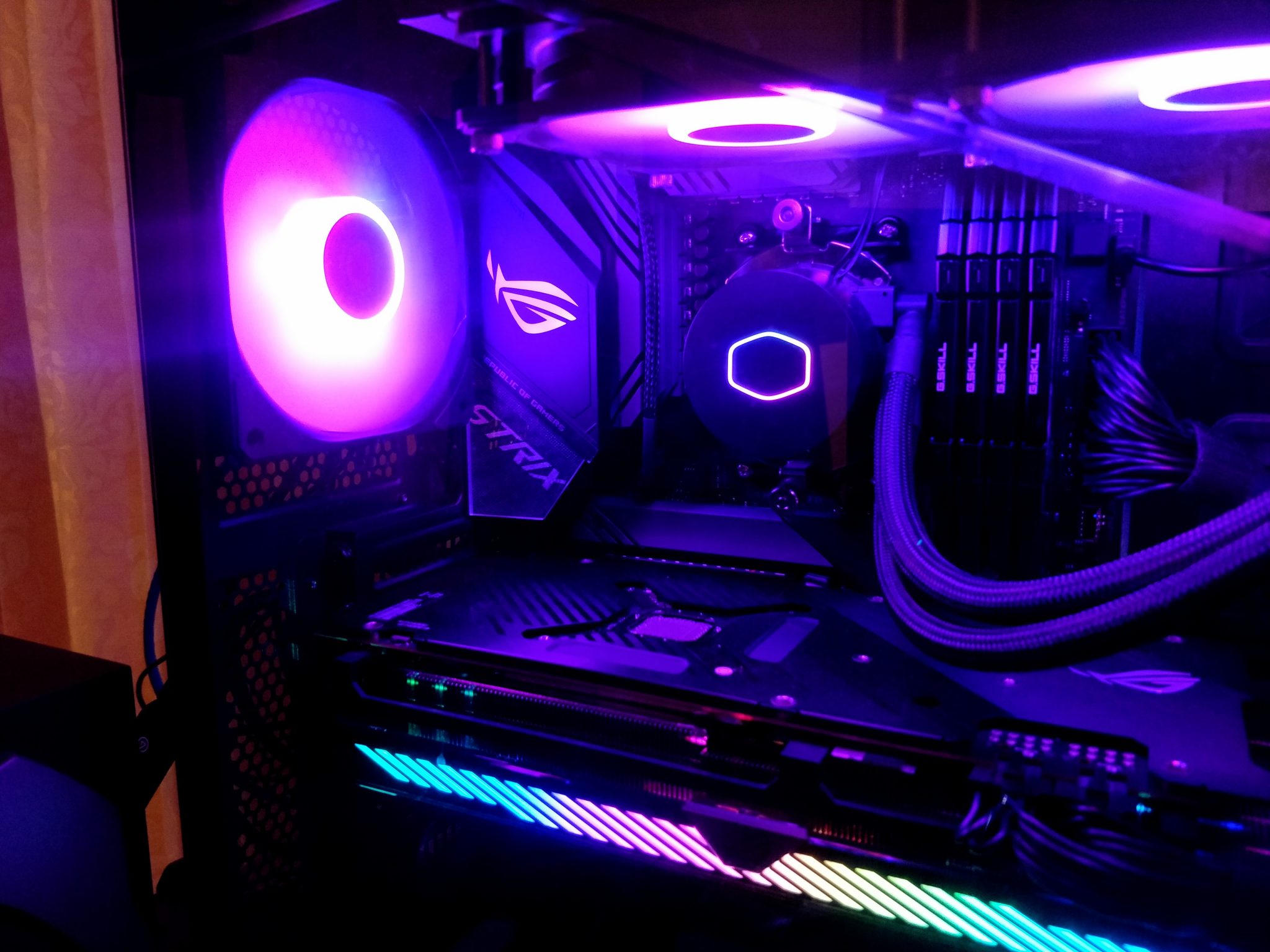
A legacy graphics card performs better in a clean, well-ventilated chassis with sensible cable management.
FAQ
Is the ECS version meaningfully different from a reference board?
It can be. Cooling execution, acoustics, and sustained boost behavior often define the value of partner variants more than the logo on the box.
Should you build around one now?
Only if the project is deliberately low-cost or retro-focused. Otherwise, use it as a comparison point for what older midrange hardware demanded from the rest of the system.
Keep the research moving
If your comparison is AMD versus Nvidia from the same era, the Radeon page is the next useful stop.