The Evolution of Gaming Consoles: A Historical Perspective
The Evolution of Gaming Consoles: A Historical Perspective
Every generation of gaming consoles promises the same trick: better graphics, bigger worlds, and fewer excuses for bad design. The hardware changes. The sales pitch changes. The pattern does not. What actually evolves is the relationship between power, price, convenience, and who gets to call the shots.

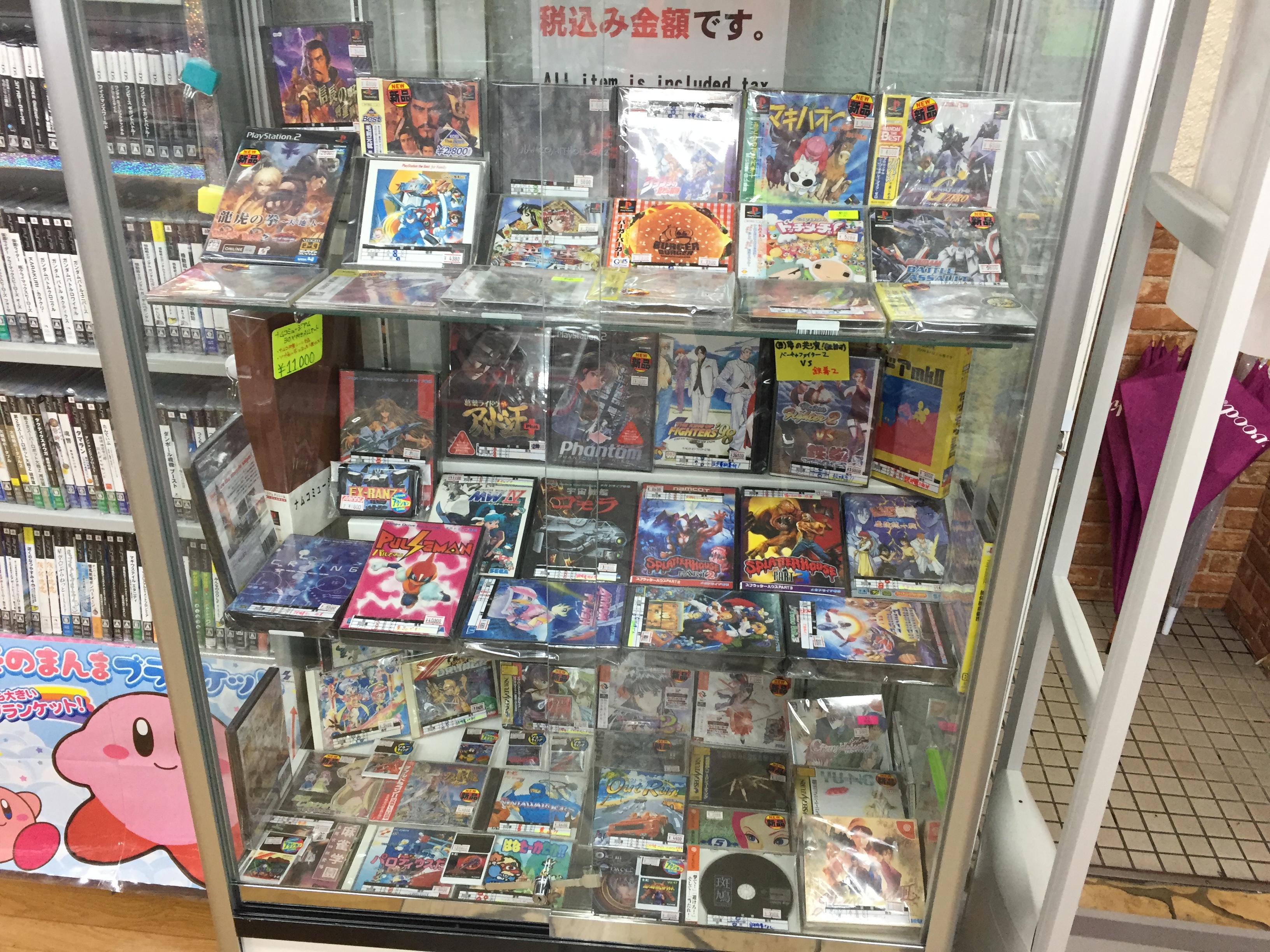
Featured visual: a retro display helps ground the timeline. The industry likes to talk about the future, but consoles are built on a long trail of short-lived bets.
Introduction to Gaming Consoles
Gaming consoles began as dedicated boxes for one job: play games on a television without asking the user to assemble a hobby project first. That simplicity made them successful. It also made them easy to underestimate.
Unlike personal computers, consoles were sold as fixed targets. Developers could optimize for a known machine, and players could buy the machine without worrying about component compatibility. That bargain shaped the industry from the first home systems through the modern living-room ecosystem.
If you want a clean baseline for the hardware side of this history, the home video game console timeline is a useful reference point. For a broader market lens, Circana’s U.S. games market reporting helps explain why consoles remain relevant even when the PC crowd insists otherwise.
Key Milestones
The early console era was defined by simple electronics and simpler expectations. Systems such as the Magnavox Odyssey proved the concept. Atari’s early success showed that there was a market beyond novelty. Then Nintendo stepped in and did something more important than making a hit machine: it repaired consumer trust after the market nearly broke itself.
- First home systems: rudimentary, expensive, and weird by modern standards.
- Atari era: helped turn console gaming into a mass-market habit.
- Nintendo reset: enforced quality control and revived a damaged market.
- 16-bit competition: Sega and Nintendo pushed performance, branding, and exclusives harder.
- Disc-based transition: PlayStation and later systems used optical media to expand scope and lower manufacturing limits.
For a practical history of the business side, Britannica’s overview of video game consoles gives a compact summary of the major shifts. The important pattern is boring in the best way: every major leap came from a mix of cheaper distribution, stronger hardware, and tighter control over software.

That fixed-versus-flexible divide still matters. Consoles won by being simple. PCs won by being adaptable. The industry spent decades pretending those were enemies instead of different answers to the same mess.
The Rise of Modern Consoles
The modern console era is less about raw novelty and more about ecosystem management. Online services, digital downloads, cross-play, subscription libraries, and patch cycles changed what a console is supposed to be. It is no longer just a box under the TV. It is a storefront, identity layer, and update machine with a controller attached.
That shift came with tradeoffs. Games are easier to distribute, but harder to own in the old sense. Hardware generations still matter, but software services now stretch across them. The console manufacturer is not only selling hardware; it is running a platform with recurring revenue and tighter user lock-in.
For readers who want the technical backdrop, the evolution of graphics and system design is covered well in the official Nintendo news archive and in Sony’s own PlayStation Blog. Those sources are corporate, obviously, but they are still primary material. Funny how that works.
What changed most
| Era | Main selling point | What really mattered |
|---|---|---|
| Early home consoles | Play games on TV | Novelty and accessibility |
| 8-bit and 16-bit | Sharper gameplay and better brands | Exclusives, trust, and hardware identity |
| Disc and 3D era | More storage and better visuals | Longer games and broader genres |
| Online generation | Services and connectivity | Recurring engagement and digital sales |
| Current generation | Performance and convenience | Backwards compatibility, subscriptions, and ecosystems |
To see how the hardware side keeps mutating, look at current console specifications and support pages from Microsoft, Sony, and Nintendo. The details differ, but the strategic shape is obvious: convenience now competes with ownership, and services compete with physical media. That is the real story, not the marketing confetti.
Future Trends
The next phase likely will not be one dramatic invention. It will be a pile of incremental shifts: cloud streaming where it makes sense, more cross-platform play, larger digital libraries, stronger accessibility options, and more attention to energy use and repairability.
Expect the definition of a console to keep blurring. Some players will care about local hardware power. Others will care only that games launch fast and save automatically across devices. Manufacturers know this. That is why modern consoles are increasingly judged by services, not just silicon.
- More digital-first purchasing and library management
- Longer hardware lifecycles with software updates doing the heavy lifting
- Better accessibility features and controller options
- More cross-device play across console, PC, and mobile
- Cloud delivery as a supplement, not a total replacement
For a neutral reference on the broader market, the history section on video game consoles is useful for cross-checking dates and generation boundaries. Use it as a map, not scripture.
Conclusion
The history of gaming consoles is not a clean march of progress. It is a cycle of simplification, competition, expansion, and platform control. Every generation claims to be the one that finally solves the problem. It never does. It just changes the shape of the problem.
If you want more hardware coverage, explore the blog archive, return to the home page, or read more about the site on the About page. The machines may change. The argument around them never really stops.