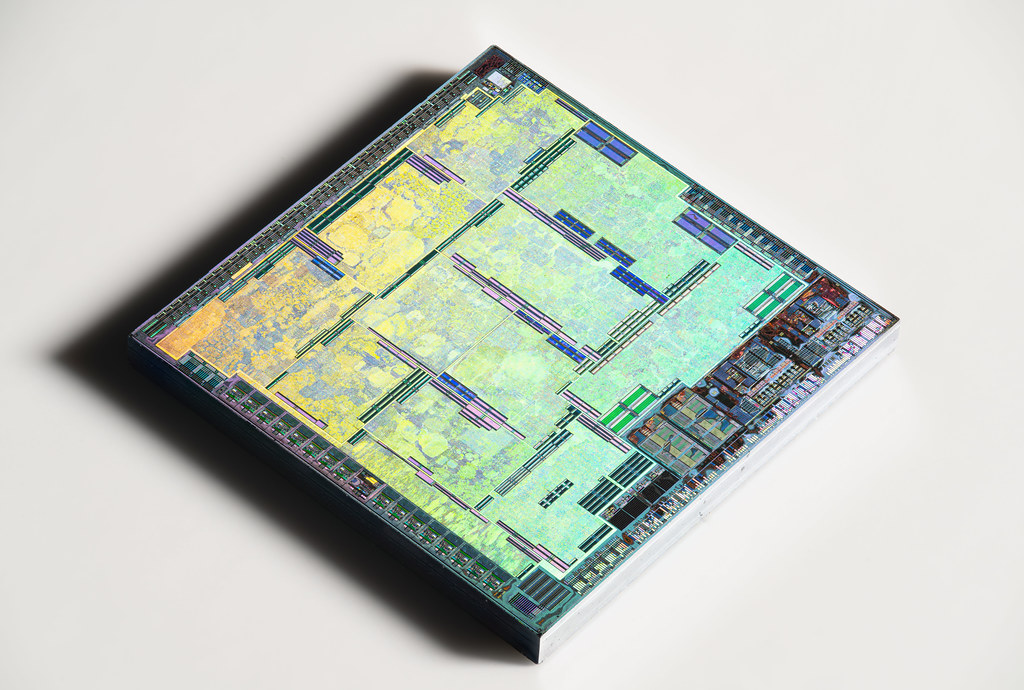
GIGABYTE H67MA-UD2H
Motherboard page
GIGABYTE H67MA-UD2H
The H67MA-UD2H is useful for readers who need micro-ATX Sandy Bridge flexibility, especially when integrated graphics and media-center-friendly layout matter as much as raw expansion.
Compact Intel boards reward careful attention to ports, slot spacing, and memory clearance.
Why this coverage still matters
Its relevance is tied to what compact Sandy Bridge systems were good at: efficient desktop use, straightforward media duties, and enough platform maturity to stay easy to maintain.
What stands out
- Compact board with useful Intel-era stability
- Good fit for integrated-graphics systems
- Convenient for rebuilds where size matters
What to watch
- Expansion options are naturally tighter
- Thermal planning is more important in smaller cases
- A used board still needs port and RAM testing
What to evaluate on this class of board
Look for BIOS stability, display output needs, and storage layout. These are the details that determine whether a small rebuild feels polished or annoying.
Good small-system planning starts with understanding every connector and clearance point.
Ideal use cases
A compact office desktop, media PC, or a tidy general-purpose rebuild where silence and serviceability matter.
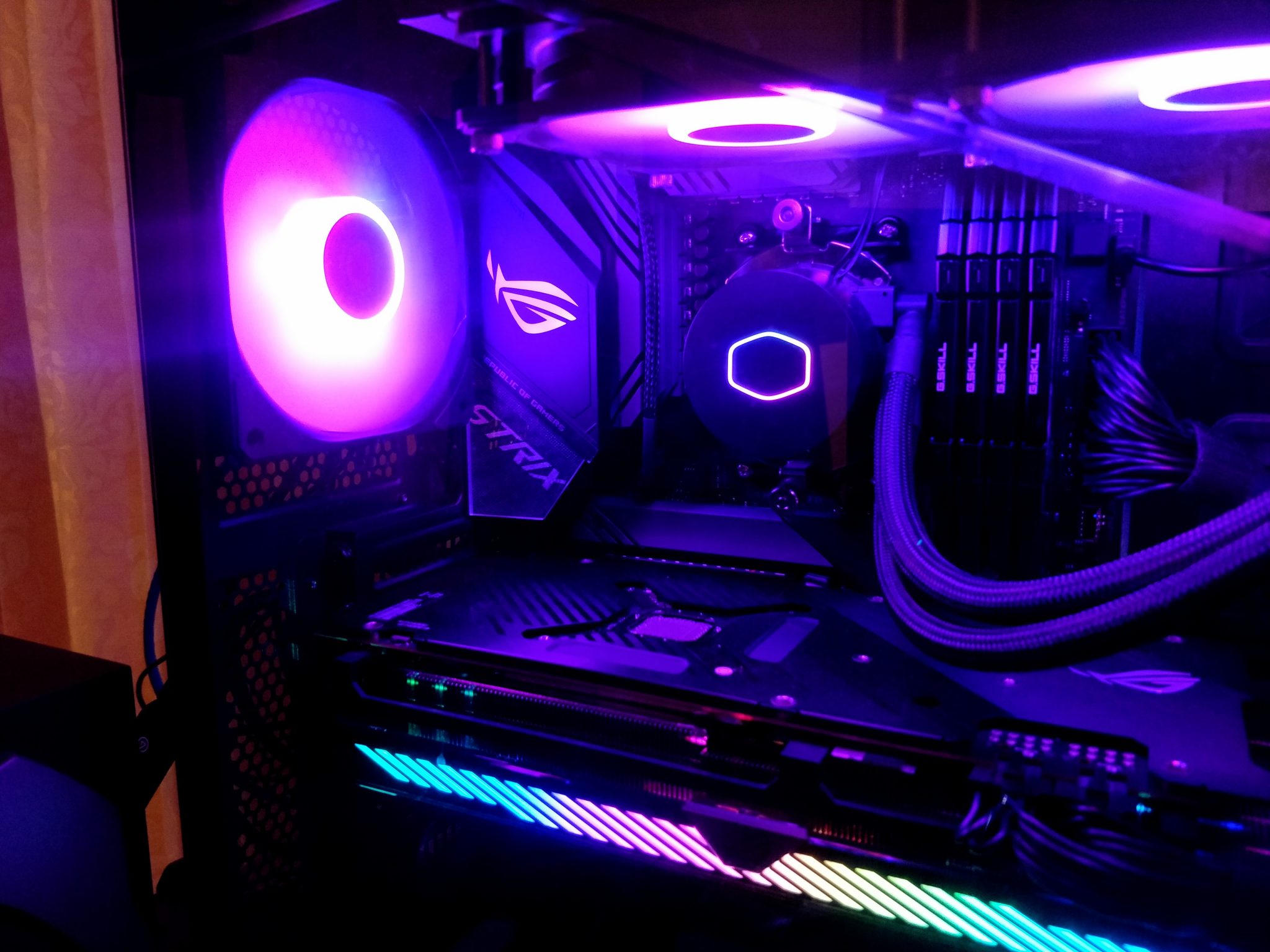
Small systems still need clean airflow to keep older chipsets comfortable.
FAQ
Is this a gaming-first board?
Not really. It is stronger as a flexible compact Intel platform than as a heavy expansion board.
What makes it attractive now?
Good micro-ATX form factor discipline and a practical feature set for maintenance-friendly rebuilds.
Keep the research moving
Looking for a more expansion-friendly GIGABYTE board? The P67A-UD4 page is the next logical comparison.